42 Days That Turned Addiction Into Business Success (True Story)
Chris Weitzel spent 12 years as a financial advisor, was fired from a job he despised, and started a roadside fruit and vegetable stand while battling alcohol addiction. After a 42 day rehabilitation program he became a business owner and coach.
Key Takeaways
- Chris checked himself into a 42 day rehabilitation program and calls it the turning point, where he replaced drinking with working out, walking and reading.
- He says you are never cured of an addiction and that it is a day to day battle.
- He trains like what he calls a business athlete, working backward from the person he wants to be.
- Both Chris and Nathan say nobody succeeds alone, and that asking questions and getting coaching is how you skip mistakes.
In this powerful interview, Chris Weitzel shares his remarkable transformation from battling addiction to becoming a successful business owner and coach. His story offers valuable insights for entrepreneurs struggling with personal challenges while building their businesses.
Defining High Performance Through Daily Commitment
For ChrisWeitzel, high performance isn't just about business metrics, it's a holistic approach to life that he's developed over the past four years. Chris describes how he now trains to be a "business athlete," focusing on maintaining balance and structure in his daily routine.
"I train to be the person I'm my identity, my future identity that I've already looked at and I just kind of reverse engineered it," Chris explains. His approach encompasses physical, emotional, and mental health, constantly training to become the person he envisions for his future.
This mindset shift didn't happen overnight. It came after years of struggle, including:
- 12 years as a financial advisor
- 5 years "drifting" in a job he despised
- Getting fired (which he now calls "one of the best things that happened to me")
- Starting a roadside fruit and vegetable stand
- Battling alcohol addiction throughout these transitions

Overcoming Addiction: The Turning Point
Chris doesn't shy away from discussing his struggles with addiction. His honesty creates a powerful narrative that resonates with many entrepreneurs who face similar challenges.
The turning point came when Chris checked himself into a 42-day rehabilitation program. This decision, though difficult, proved transformative:
"It was a 42-day reprieve from life... it was the best time. I met some crazy, crazy people and it just... it was a time where you got to just develop."
In rehab, Chris began replacing destructive habits with positive ones:
- Working out and walking
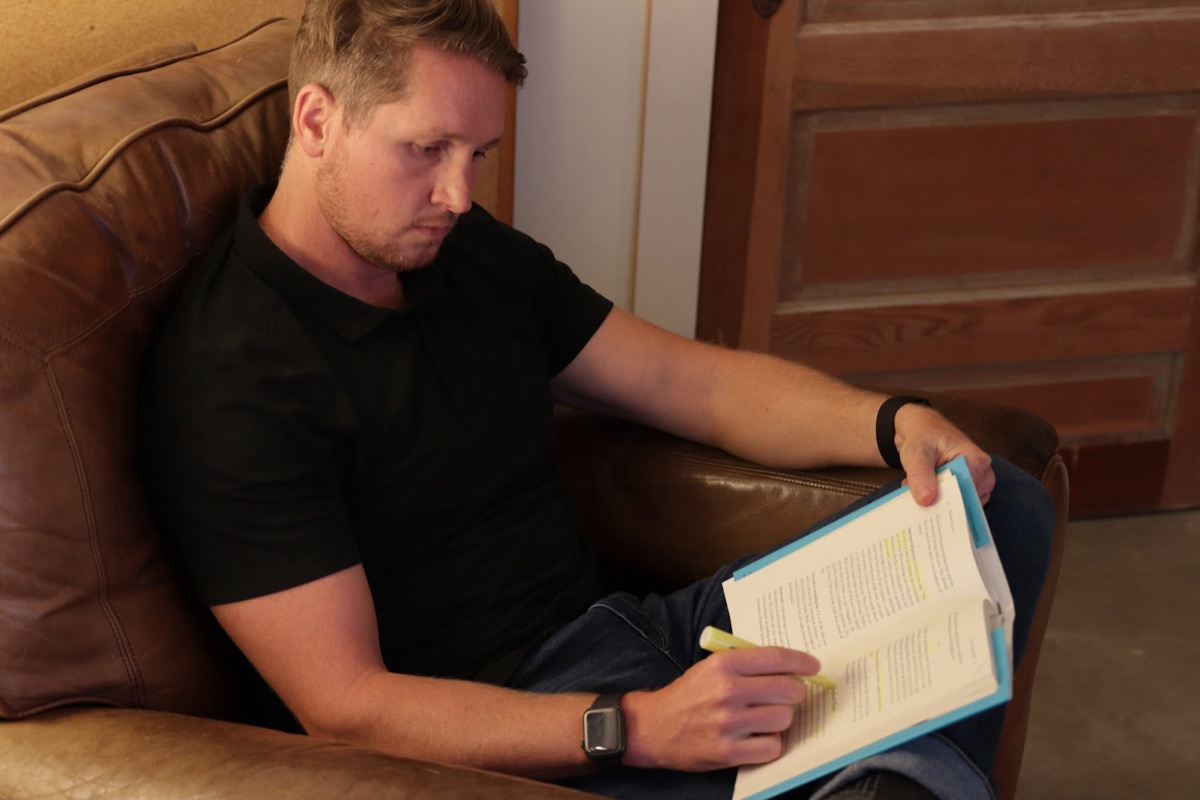
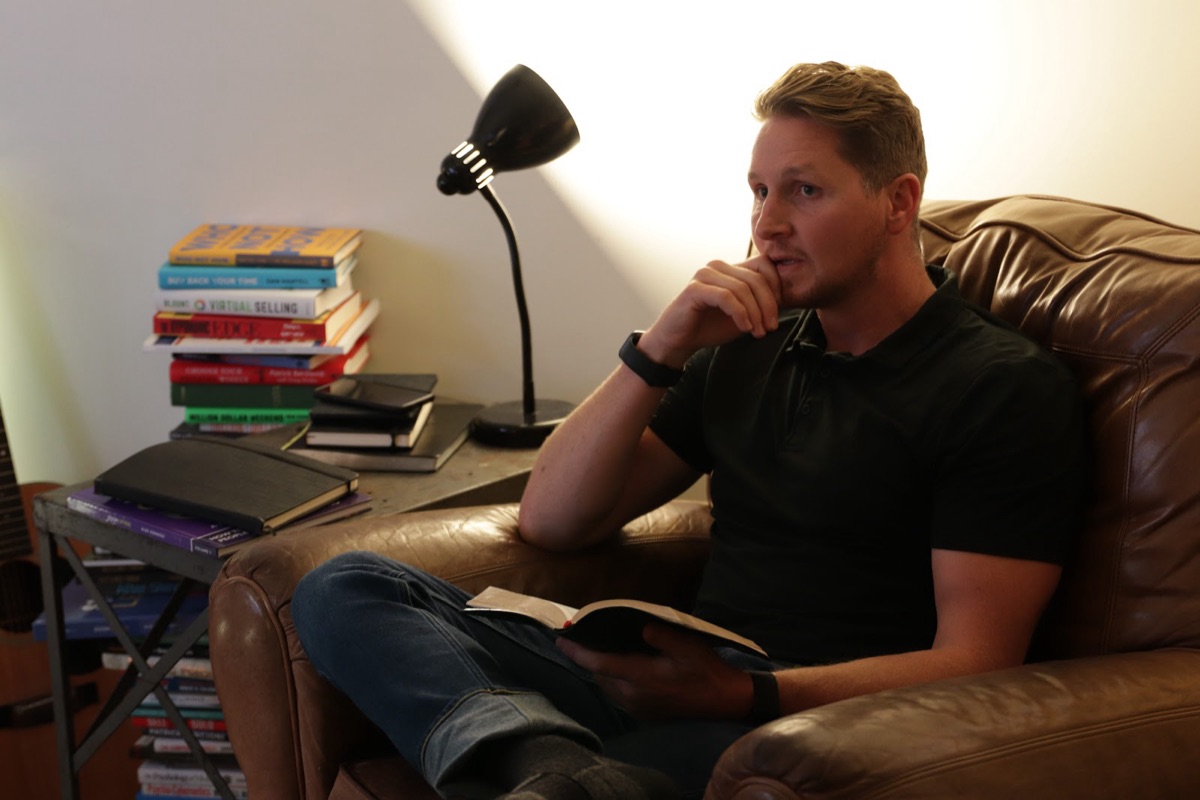
- Reading books to shift his mindset
- Learning to communicate emotions effectively
Chris emphasizes an important truth for anyone struggling with addiction: "You're never cured of your addiction. It's a day-to-day battle." This perspective has shaped his approach to coaching others through similar struggles.
Building Emotional Awareness Through Communication
One of the most significant challenges Chris faced during recovery was learning to deal with emotions without reaching for substances. He describes this as "retraining your brain" through an intentional daily process.
For Chris, emotional awareness starts with simple acts of communication:
- Asking his wife how she's feeling each day
- Inquiring about her plans
- Shifting focus from self to service
"It's not about us anymore," Chris says. "It's about providing service to the people around us."
This approach has profound implications for entrepreneurs who often struggle with balancing business obsessions and personal relationships. Chris suggests that having open communication channels, whether with a spouse, coach, or support group, is essential for maintaining emotional health.
The one page planner we fill in at Base Camp, before we touch the business.
The Power Of Community And Seeking Help
Perhaps the most powerful message from Chris's story is the importance of seeking help. As entrepreneurs, there's often pressure to have all the answers, but Chris emphasizes that true strength comes from vulnerability and willingness to ask questions.
"Now that I know there's a cheat code, that I don't have to go through and make the mistakes, that I can actually just ask the questions," Chris says, referring to the coaching programs he's joined.
Nathan reinforces this point by drawing a comparison to Olympic athletes: "How many of them got to the Olympics that we just recently saw, that stood on stage with gold around their neck, how many of them achieved that on their own? Nobody. Not one person."
This perspective challenges the myth of the self-made entrepreneur. As Chris and Nathan discuss, success requires:
- Being open to mentorship
- Embracing vulnerability
- Asking questions
- Seeking specialized help when needed
Conclusion: Transformation Through Vulnerability
Chris Weitzel journey from addiction to high performance showcases the transformative power of vulnerability and seeking help. His story demonstrates that entrepreneurial success isn't just about business strategies, it's about holistic personal development and building supportive communities.
For entrepreneurs struggling with addiction or other personal challenges, Chris's message is clear: "You're not alone." By being open about his own journey, he's created a space for others to seek the help they need to transform their lives and businesses.
Common Questions
Can You Build A Successful Business After Addiction?
Chris Weitzel did. He went through a 42 day rehabilitation program, replaced destructive habits with exercise, reading and honest communication, and went on to become a business owner and coach.
How Do Entrepreneurs Deal With Emotions Without Turning To Alcohol?
Chris describes it as retraining your brain every day. For him it starts with communication, like asking his wife how she is feeling and what her plans are, and shifting his focus from himself to serving the people around him.
Why Should A Business Owner Ask For Help?
Chris says asking questions is a cheat code, because you do not have to make every mistake yourself. Nathan's point is that no Olympic athlete won gold on their own.
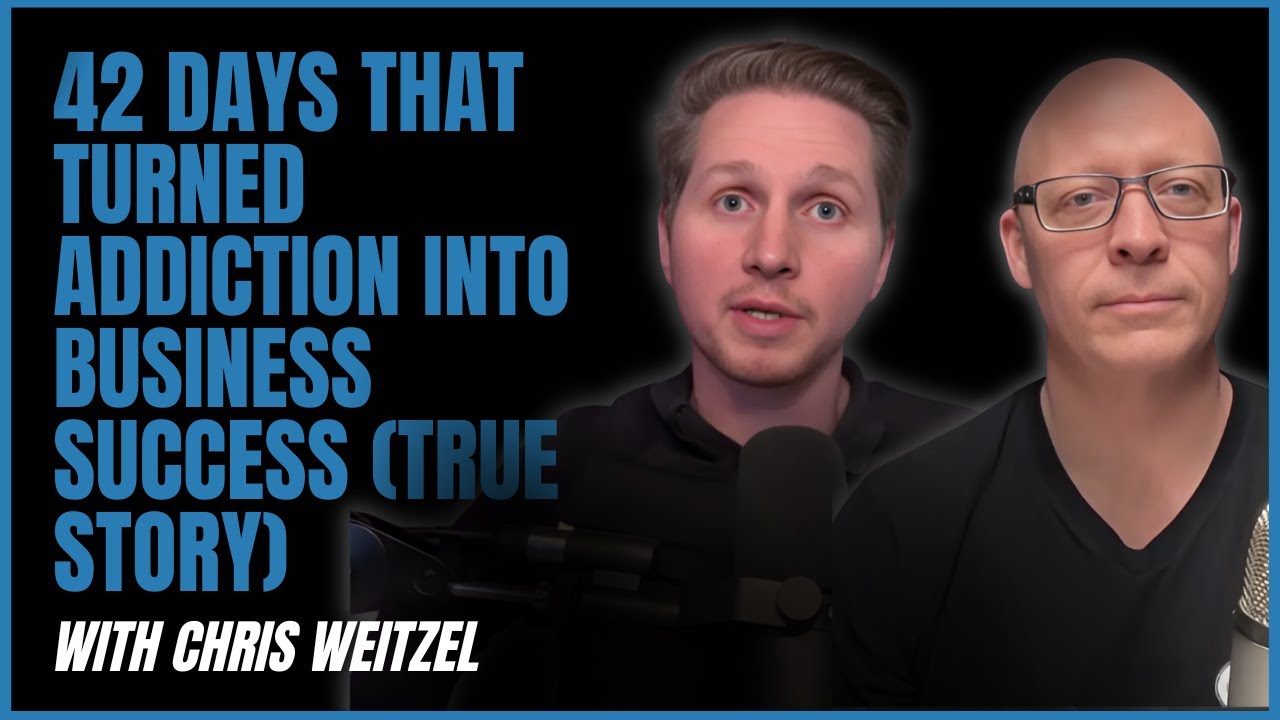 Watch The Full InterviewOn YouTube
Scale Your Business So It Funds Your Calling
If everything in your business still runs through you, join the Impact Freedom Accelerator or grab the free tools I use with members.
Want 1:1 Help? Talk With Me First
Nathan Newberry is a business advisor, sales leader and former pastor. He helps Christian owners of established businesses scale so the business makes more money, needs less of them, and funds their calling. He built and sold a marketing agency, has interviewed hundreds of business advisors, and leads the Impact Freedom Accelerator. More about Nathan