How Ryan Brazell Built Multiple 7-Figure Systems
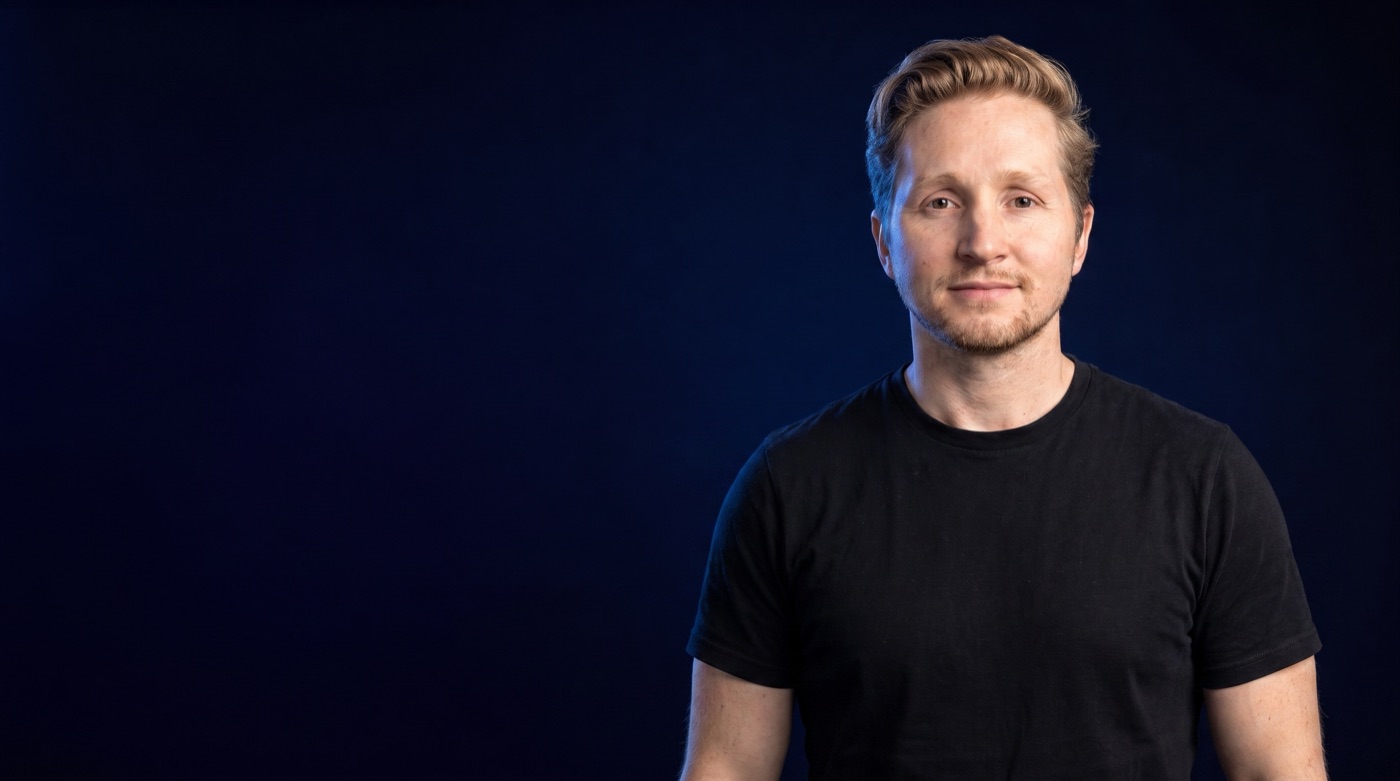
Ryan Brazzell is the founder of Assistant Launch, a company that helps founders work with executive assistants, and he is known as The Time Bender. He grew up doing manual labor with his father in Tennessee and later moved from Nashville to San Diego.
Key Takeaways
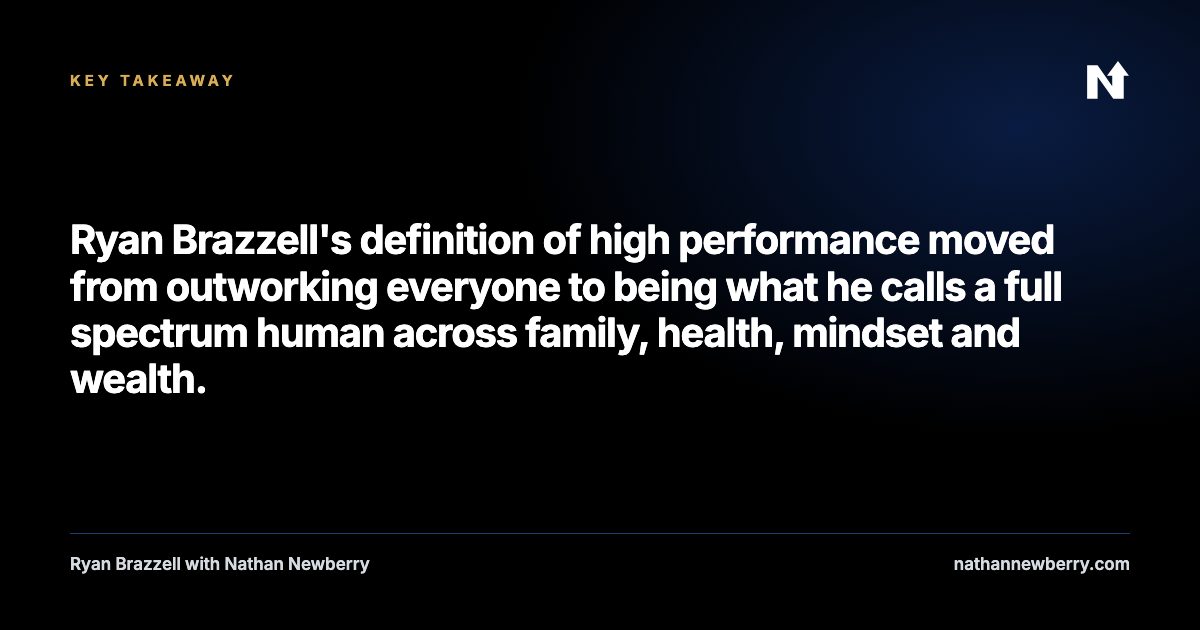
- Ryan Brazzell's definition of high performance moved from outworking everyone to being what he calls a full spectrum human across family, health, mindset and wealth.
- He says every business he has built has been about saving, optimizing or bending time, because time is such a limited resource.
- He has always tried to be the dumbest person in the room, and he credits much of his success to the rooms and masterminds he put himself in.
- On his fitness goal he learned that good done consistently beats perfect once or twice a week.
What if you could bend time? What if you could optimize your systems so effectively that you accomplish more in a day than most people do in a week? In my recent podcast conversation with Ryan Brazzell, founder of Assistant Launch and known as "The Time Bender," we explored how high-performance entrepreneurs can create systems that dramatically increase their productivity, growth, and fulfillment.
With a lifetime obsession with optimizing time and a track record of building successful companies, Ryan has developed a blueprint for entrepreneurs to reclaim their most valuable asset, their time. From his early days finding shortcuts for manual labor to building a company that helps founders work with executive assistants, Ryan's insights offer valuable lessons for anyone looking to perform at their highest level.
Let's dive into the key principles Ryan shared about time optimization, high-performance habits, and the power of surrounding yourself with the right community.

The Evolution Of High Performance: From Hustle To Wholeness
Ryan's definition of high performance has evolved dramatically over the years. What began as simple hustle, working harder than everyone else, has transformed into a much more holistic approach:
"I think high performance, the definition for me, started with just like hustle as hard as you can. No one can outwork me. And then I think it changes over time because you realize that's actually not the answer."
Today, Ryan views high performance as optimizing all aspects of life to realize his purpose:
"Now it's much more diverse. I'm a full-spectrum human at this point, so high performance and success to me is being a good fiancé, being a good family member, being a good leader, being healthy, having a great mindset every day, being happy, fulfilled, making good money, being wealthy. That's what a high-performance life looks like to me now."
This evolution reflects a broader trend among successful entrepreneurs, the recognition that true high performance isn't just about work output, but about creating a life where all areas thrive in harmony.
The Time Bender Philosophy
Ryan's obsession with time began early. He has the number of hours in the average human life tattooed on his chest, a constant reminder of our limited time on earth. This awareness has driven his approach to business:
"Every business I've ever built, everything I've ever done, has been about saving time, optimizing time, bending time, collapsing time. It's just because I realized it's such a limited resource. We're all here for such a limited amount of time, and then we're going to die, and then that's it."
His time-bending philosophy originated in childhood, when he was doing manual labor with his father in Tennessee. To maximize time with friends, Ryan developed shortcuts to complete his chores faster:
"I had this go-kart, and my dad was like, 'You got to go clean up this yard full of trees and sticks and stuff. Go clean it, drag it to the woods.' And I remember grabbing a rope and tying it behind my go-kart, and then wrapping the sticks up and dragging them to the woods. And I had it done in like a tenth of the time."
While his father saw this as "cutting corners," Ryan realized this approach, finding smarter, more efficient ways to accomplish tasks, would become his superpower.
The Power Of Community: Surrounding Yourself With Growth
One of Ryan's most powerful insights centers on the importance of community in fostering high performance. After leaving his hometown of Nashville, he moved to San Diego and immediately plugged into several mastermind communities:
"I've always tried to be the dumbest person in the room, the lowest person on the totem pole. So I left Nashville, and I moved to San Diego, and I immediately got plugged into several communities here where it changed my life, mastermind communities."
Initially skeptical of these groups ("I thought it was some kind of cult"), Ryan quickly discovered the transformative power of surrounding himself with like-minded, ambitious individuals:
"Over time, I realized how critical and how much of my success has depended upon just the room that I'm in and the people that I'm being influenced by."
This principle reached its peak when Ryan moved into what he calls "the entrepreneur house", a communal living space with six successful founders:
"There's six founders that live in there, and every Monday they had a mastermind where they go over their personal life, their business life. There's a whiteboard with all the house core values: accountability, integrity. There's every single month your name and what you're obligated to do or what you've agreed to do for that month as far as your personal goal, your business goal."
Living in this environment accelerated Ryan's growth exponentially:
"That's when I started becoming fully optimized... You move into this house with the sole goal of building an empire and learning and growing as fast as possible, and you're with six other people that are all doing the same thing."
The Different Types Of Community Support
Ryan distinguishes between different types of community support, each serving a unique purpose:
- Broad Online Communities (like Dan Martell's group): Provide a wide range of feedback, connections, and perspectives
- Intimate In-Person Groups (like his "misogi" group): Offer deeper vulnerability, accountability, and personal growth
"We only have four to six people. We know each other really, really well, and you can speak very vulnerably, and you can call people out on their stuff. These people, we've all grown together, we've built together, we've lost together."
Ryan believes this combination of broad and deep community support is essential for entrepreneurs:
"I don't know how, as a founder, if you're building a company, how people go it alone. I mean, it's just so incredibly mentally, physically, emotionally taxing that you have to have some kind of group."
Strategic Reflection And Goal Setting: The Quarterly Retreat System
Perhaps the most actionable insight Ryan shared was his structured approach to reflection and goal setting. With his entrepreneur house group, they developed a powerful quarterly retreat system:
"We would go on these quarterly retreats, and we would go to these really incredible destinations, like houses up in the mountains with these expansive views. And the whole goal is to elevate your mindset so that you can think about the future effectively."
This process follows a specific structure:
Day 1: Deep Reflection
The first 24 hours focuses on honest reflection about the previous quarter:
"What is the 20% of people, things, or activities that contributed to 80% of your sadness, angst, depression, anger? Then we would look at what's the 20% of activities, things, or people that brought the most happiness, joy, satisfaction?"
This exercise reveals what's working and what's not, both in business and life:
"That process is super helpful... We'd start with breathwork and get our mindset right, and then we would go through reflection. We would look at how our core values changed from last quarter to this quarter, what are the top three things we're most proud of this quarter, what are our biggest failures, what are our biggest wins."
Day 2: Essential Goal Setting
The second day focuses on strategic goal setting for the coming quarter:
"I built the spreadsheet of every major area of your life, and then at the top of every major area, it's like, what one thing such that by doing it makes everything else easier or unnecessary?"
This approach to goal setting is about quality over quantity, identifying the most leveraged actions in each life area.
"We're not setting a million goals because guess what? We're going to be presenting all of our goals to the whole group the next day out loud... People would question them, people would say, 'Why, you know, that isn't specific enough.'"
Your first hire, what to hand off first, and how to buy your time back.
Optimizing Energy Through Effective Delegation
Ryan's current business, Assistant Launch, applies his time-bending philosophy to help other entrepreneurs reclaim their time through strategic delegation to executive assistants.
"I saw my founder friends who were very successful, companies worth tens of millions of dollars, that their personal lives were in shambles. When they would travel, their email, their calendar, their time management, everything was just in pretty terrible shape."
His approach goes beyond simply hiring an assistant, it's about creating systems that maximize a founder's energy:
"You have this golden energy every day. It's three to four hours. That's really all you've got. It's where you can focus, where you can flow, where you can build, create. And a lot of founders are spending so much of that golden energy just doing ultimately useless tasks."
Ryan uses a quadrant framework to help founders identify where they're wasting their most valuable energy:
- The Desire Zone (Passionate + Proficient): Where founders should spend most of their time
- The Drudgery Zone (Not Passionate + Not Proficient): Tasks that should be immediately delegated
- The Disinterest Zone (Not Passionate + Proficient): Things founders do out of obligation but don't enjoy
- The Distraction Zone (Passionate + Not Proficient): Areas founders love but aren't skilled at
"Part of our process is bringing in clients, identifying those categories where they're using their time, where they're wasting energy in their personal lives and their business lives. Because as a founder, those things are intertwined, 30 minutes spent on the phone with the gas company is 30 minutes you could be closing more deals."

Conclusion: The Mindset Of A High-Performance Entrepreneur
Throughout our conversation, Ryan emphasized that high performance isn't just about systems and communities, it's fundamentally about mindset. He shared a powerful example from his fitness journey:
"I had all these limiting beliefs around what was required and how difficult it was... If people knew that all I did was going into the gym for one hour a day, four days a week, and I ate the food I was supposed to eat, and I listened to what the people told me to do... It compounds and compounds and compounds."
This same principle applies to business growth. Ryan's advice for aspiring high performers?
"Take yourself seriously... You have to actually go out and face fears and go do the stuff and be a pro. As I've started leaning into that level of high-performance mentality over the last few years, everything has changed."
The journey from 152 pounds to 198 pounds of muscle over two years taught Ryan that consistency trumps perfection:
"Good consistently is better than perfect once or twice a week... It compounds and compounds."
Perhaps most importantly, Ryan discovered that often our biggest limitations are self-created:
"My mind was actually creating a pain in my knee to get me to make an excuse to not do the hard thing... There's all these limiting beliefs, and going through that journey of setting a goal and then because of my systems mentality, I created conditions for me to not fail."
By combining strategic systems, supportive communities, regular reflection, and the right mindset, entrepreneurs can truly bend time, accomplishing their goals while enjoying fulfillment across all life areas.
Common Questions
Why Should A Founder Join A Mastermind?
Ryan Brazzell says much of his success has depended on the room he is in and the people influencing him. His view is that building a company is too taxing mentally, physically and emotionally to go it alone.
What Does High Performance Mean Beyond Working Hard?
Ryan Brazzell started out believing it meant hustling harder than anyone. He now defines it as being a good partner, family member and leader while being healthy, happy, fulfilled and wealthy.
Who Is Ryan Brazzell?
Ryan Brazzell is the founder of Assistant Launch, which helps founders work with executive assistants. He is known as The Time Bender because of his focus on optimizing time.
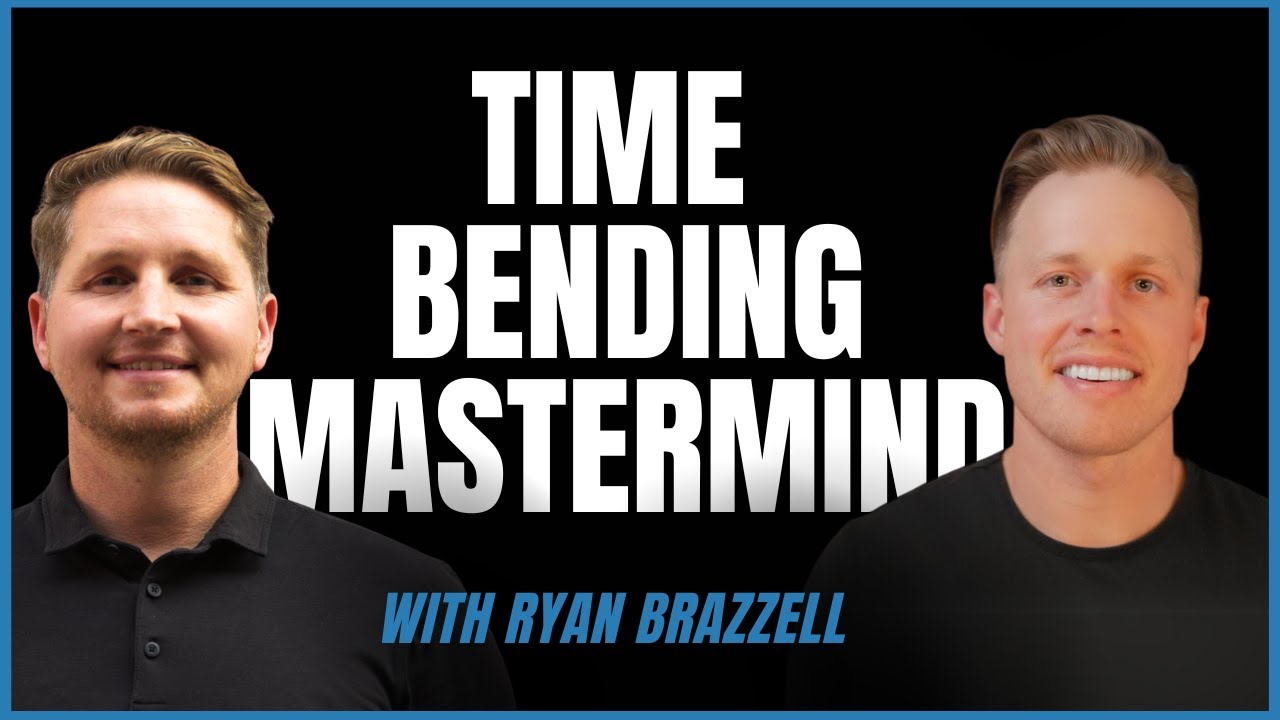 Watch The Full InterviewOn YouTube
Scale Your Business So It Funds Your Calling
If everything in your business still runs through you, join the Impact Freedom Accelerator or grab the free tools I use with members.
Want 1:1 Help? Talk With Me First
Nathan Newberry is a business advisor, sales leader and former pastor. He helps Christian owners of established businesses scale so the business makes more money, needs less of them, and funds their calling. He built and sold a marketing agency, has interviewed hundreds of business advisors, and leads the Impact Freedom Accelerator. More about Nathan