How A Psychiatrist Can Build A Brand That Attracts Patients, Not Just Followers
Key Takeaways
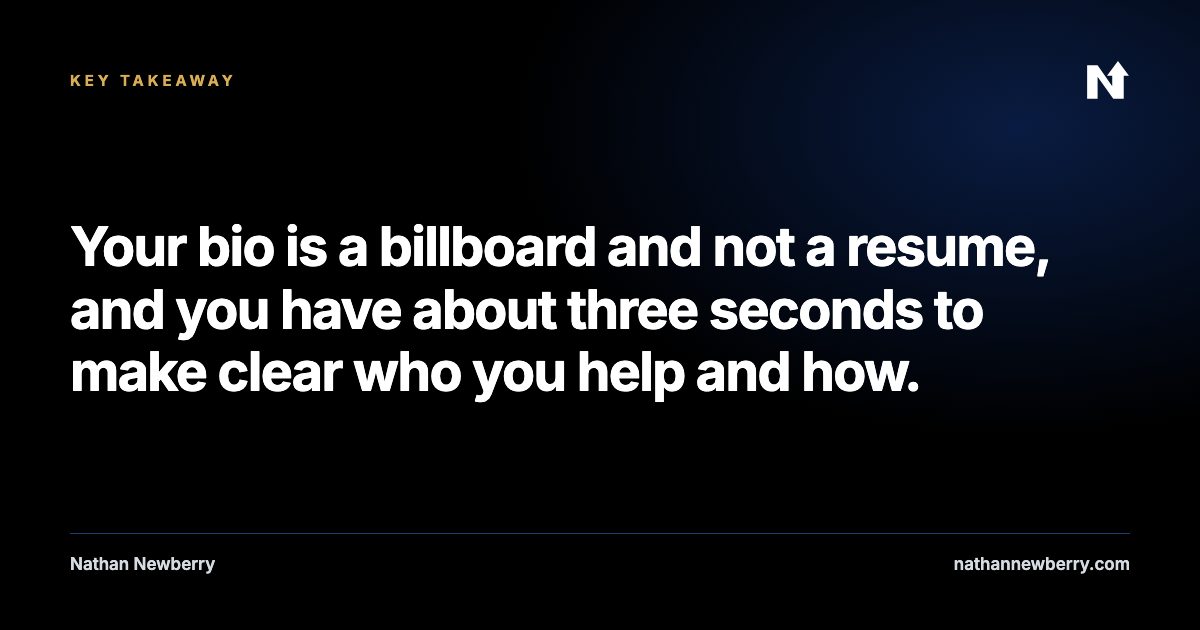
- Your bio is a billboard and not a resume, and you have about three seconds to make clear who you help and how.
- Nathan's bio structure is I help specific people achieve a specific outcome using a method or framework.
- Swap Apply Here or Book a Consultation for an invitation with value in it, like a free guide someone can DM you for.
- A medical website does not need 20 pages, it needs one clear path that says who you help, what results you deliver and how to get started.
Most doctors know how to help people. But when it comes to growing their practice online, they struggle to translate their expertise into a message that connects.
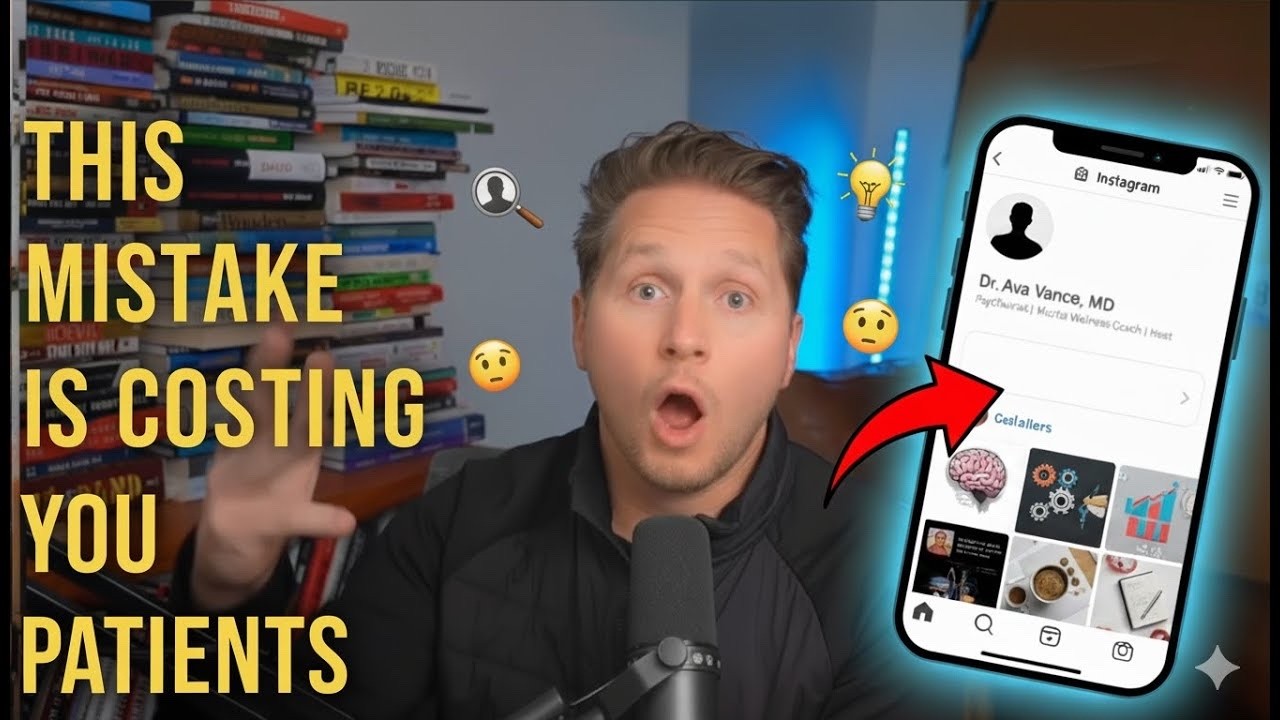
In this Scale with Nathan Live episode, I audited the online brand of Dr. Randy Freeman, a psychiatrist and TMS specialist from Rhode Island. What we uncovered are the three core mistakes that hold back most professionals, and how to fix them so your digital presence actually generates clients.
1. Clarity Beats Complexity
Your bio is not a resume. It is a billboard.
When someone visits your Instagram, LinkedIn, or website, you have about three seconds to make it clear who you help and how you help them.
Most professionals make their bio about themselves. But potential clients only care about one thing:
“Can this person solve my problem?”
Try a structure like this: “I help [specific people] achieve [specific outcome] using [method or framework].”
Example: “I help adults overcome depression and anxiety through TMS therapy and mindset coaching.”
This clarity removes confusion and builds instant trust.

2. Consistency Builds Trust
The algorithm rewards consistency, and so does your audience.
When someone follows you, the platform starts showing them your content everywhere: your posts, your stories, your reels.
That’s your window of opportunity to create connection. If you stop posting or show up inconsistently, you lose momentum and visibility.
You don’t need to post five times a day. You need a daily rhythm, stories, behind-the-scenes, tips, or case studies. Every touchpoint builds familiarity, and familiarity builds trust.
3. Make The Next Step Obvious
Many doctors forget that social media is the top of their funnel, not the end. You need a clear next step for someone to take action.
Instead of “Apply Here” or “Book a Consultation,” create a value-driven invitation.
For example:
- “DM me ‘TMS’ to get my free guide on how it works.”
- “Download my 5-Step Checklist for Depression Recovery.”
- “Watch my free training on alternative therapy methods.”
A lead magnet starts a conversation, and conversations lead to conversions.
Twenty five questions that show you where the business is really stuck.
4. Simplify Your Website
Most medical websites are too professional, and not personal enough.
Patients aren’t looking for credentials; they are looking for connection.
Your homepage should clearly communicate:
- Who you help
- What results you deliver
- How to get started
Include one clear button: “Book a Call” or “Start Consultation.”
You don’t need 20 pages. You need one clear path.
5. Focus On Trust Over Traffic
You don’t need thousands of followers to grow your practice. You need trust from the right audience.
When your message is clear, your content consistent, and your next step obvious, you’ll naturally attract clients who already know they want your help.
That’s what Dr. Freeman discovered in this audit, and it’s the same framework I help entrepreneurs and experts use to scale their business online.
Final Thought
You don’t need to act like an influencer to grow your impact. You just need a system that connects your expertise to the people who need it most.
If you’re a doctor, coach, or consultant who wants to turn your brand into a predictable source of clients, start here.
Free Resources
Watch the Free Workshop https://nathannewberry.com/watch-ifa
Book Your Strategy Call https://nathannewberry.com/booking
Follow Nathan on Instagram https://www.instagram.com/nathannewberryofficial/
Subscribe on YouTube https://www.youtube.com/@nathannewberry?sub_confirmation=1
Common Questions
How Can A Doctor Get More Patients From Social Media?
Nathan's audit of psychiatrist Dr. Randy Freeman came down to a clear bio, a daily rhythm of content, and an obvious next step. He treats social media as the top of the funnel and uses a lead magnet to start conversations.
What Should A Doctor Put In An Instagram Bio?
Nathan suggests one line that says who you help, the outcome, and the method. His example is I help adults overcome depression and anxiety through TMS therapy and mindset coaching.
Do I Need A Lot Of Followers To Grow A Practice Online?
Nathan says no. You need trust from the right audience, which comes from a clear message, consistent content and an obvious next step.
 Watch The Full InterviewOn YouTube
Scale Your Business So It Funds Your Calling
If everything in your business still runs through you, join the Impact Freedom Accelerator or grab the free tools I use with members.
Want 1:1 Help? Talk With Me First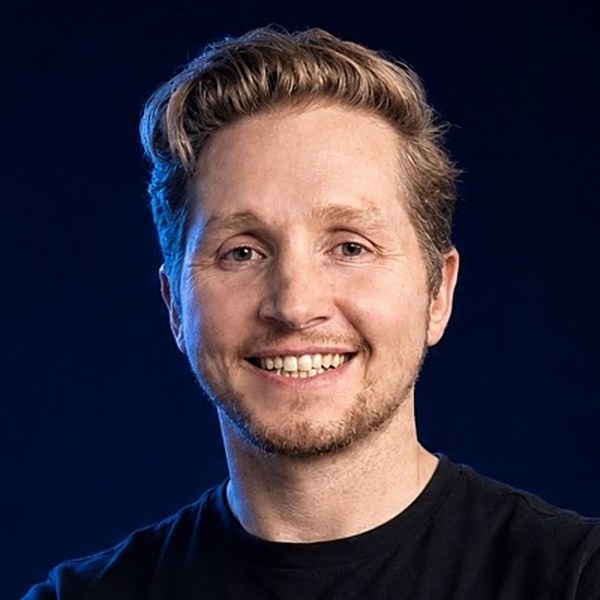
Nathan Newberry is a business advisor, sales leader and former pastor. He helps Christian owners of established businesses scale so the business makes more money, needs less of them, and funds their calling. He built and sold a marketing agency, has interviewed hundreds of business advisors, and leads the Impact Freedom Accelerator. More about Nathan