Why Simple Coaches Win (And Overthinking Keeps You Stuck)
Key Takeaways
- Simple coaches act before they feel sure, while smart people talk themselves out of the shot.
- The fear of looking stupid keeps more people small than the fear of failing does.
- Judge a risk by its percentage of your income, not the dollar amount, and ask if you would make the bet if you could not fail.
- Model the person who already did it, stay in your zone of genius, and keep everything simple enough to explain to a seventh grader.
Have you ever wondered why simple coaches seem to make more money than you? People with no marketing degree are building strong authority brands, while experts, even people with PhDs, are stuck working sixty hour weeks.
The richest coaches are not always the smartest. I know this from my own life. I was not the best at school and I did not go to a fancy university. So here are three reasons your intelligence might actually be keeping you broke, and three simple ways to fix it.

Reason One: They Do Not Know What They Do Not Know
Simple coaches have a kind of uninformed optimism. They do not know what they do not know, and they do not really care. That is not arrogance. It is confidence. They just do not second guess themselves.
Smart people tend to overanalyze and overcomplicate everything. They come up with a long list of reasons why something will not work. You miss every shot you do not take, and the smartest coaches overthink their shots until they never take them at all.

Reason Two: They Are Not Scared To Look Stupid
This is the big one. Most people do not hold back because they are scared to fail. They hold back because they are scared to be seen failing.
Smart people want to protect their smart kid identity. The book Mindset talks about this. Kids who get praised for being smart start avoiding hard challenges, because they are afraid of losing the label.
I once noticed a member had stopped asking questions on our calls. I messaged him about it, and he admitted he was worried he would look stupid. I told him that he did not know the answer, and that was exactly why we were working together. On the next call he asked a simple question. The answer led to some simple ad changes that brought him more leads and cut his costs, and his business doubled over the next ninety days. He was willing to look dumb.
Try this. Grab a piece of paper and write down two honest answers. What is one thing you are avoiding because you are scared you might look stupid? And who are you trying to impress by avoiding it?
Reason Three: A Bad Risk Radar
Smart people overestimate risk and try to play it safe. But the goal is not to make the perfect decision. The goal is to make a decision and then do the work to make it right.
Here is the difference. The expert spends a year building a course, nobody buys it, and the window closes. The simple coach launches it messy. Here is a Google doc. Here is the first version. That is what I did a lot, and the feedback from those early people helped us build the roadmap we still use today. The biggest risk is not taking one.
I fix a broken risk radar with three questions:
- What is one investment that scares you right now? Write down the dollar amount.
- What percentage of your yearly income is that? Is it your life savings, or a small piece?
- If you knew you could not fail, would you make that bet?
When I first started spending a few hundred to a thousand dollars on a course or a mentor, it felt huge. But every time I invested in myself, my life got better. Simple coaches look at the percentage, not the dollar amount. And they know that when people do not pay, they do not pay attention.
The one page planner we fill in at Base Camp, before we touch the business.
Three Simple Ways To Win
You do not have to be simple to win like they do. You just have to quit overcomplicating things.
Model, then modify. Simple coaches take the blueprint and run it over and over. Smart people study it, tweak it, and never run it, because they think they are a special snowflake. One of my members was a real estate agent who wanted to start a coaching business. He copied my model step by step without changing it. Success leaves clues, so use them.
Find your zone of genius. Decide the one thing you do that creates the most value, and be strategically dumb about everything else. For me that is creating content and having sales conversations. When my team asks me about editing or funnels, I act like I do not know. If I answer, they will keep coming back to me, and I want them to own it.
Keep it simple so it can scale. Simplicity is one of the core values in my company. You cannot scale chaos. A new member once tried to explain his five different offers to me, and I stopped him and asked him to explain it like I was in the seventh grade. In-N-Out is a good picture of this. They kept the menu small while everyone around them had hundreds of items, and they did that one thing really well.

Clarity Comes From Moving
If you are still tempted to overthink this, here is probably why. Thinking feels safe, and it delays the moment you have to take action. Action feels risky because it shows you the truth.
The business plan never survives first contact with a customer. The only thing you really need to do is sell something to a stranger. The name, the trademark, the website, that is mostly noise.
Clarity is the reward of movement. So pick one area of your business, your offer, your marketing, or your sales process, and make it simpler this week.
Common Questions
Why Do Smart People Struggle To Grow A Coaching Business?
Nathan's view is that they overthink. They find reasons an idea will not work, they protect the label of being the smart one, and they overestimate risk, so they never take the shot.
How Do I Know If An Investment Is Too Risky?
Nathan uses three questions. What investment scares you right now, what percentage of your yearly income is it, and would you make that bet if you knew you could not fail.
What Does Model Then Modify Mean?
Copy a proven model exactly as it is first, then adjust once it is working. Nathan says most people tweak a blueprint before they ever run it because they think their situation is special.
Do I Need A Website Or A Trademark Before I Start Selling?
No. Nathan says the only thing you really need to do is sell something to a stranger, and that clarity comes from moving, not from waiting.
 Watch The Full InterviewOn YouTube
Scale Your Business So It Funds Your Calling
If everything in your business still runs through you, join the Impact Freedom Accelerator or grab the free tools I use with members.
Want 1:1 Help? Talk With Me First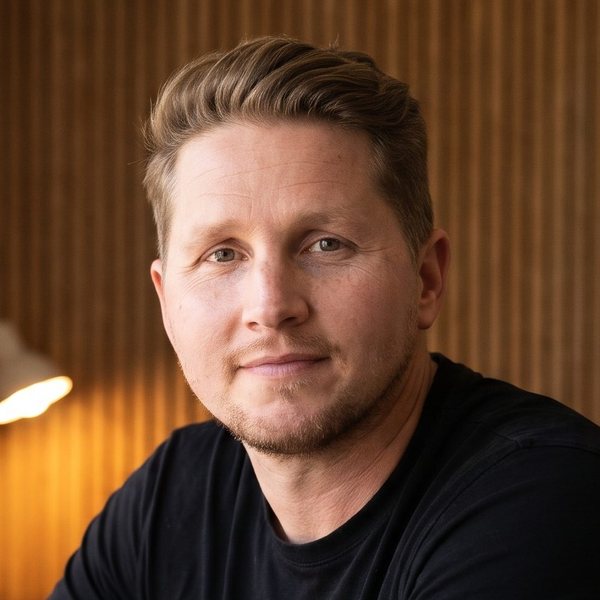
Nathan Newberry is a business advisor, sales leader and former pastor. He helps Christian owners of established businesses scale so the business makes more money, needs less of them, and funds their calling. He built and sold a marketing agency, has interviewed hundreds of business advisors, and leads the Impact Freedom Accelerator. More about Nathan